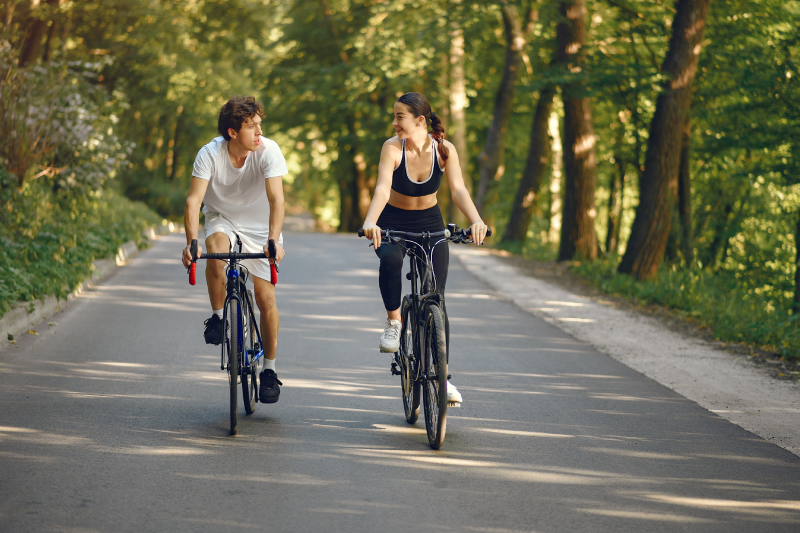
In this article, I help you choose the sport that’s right for you. Whatever your age or your situation, you will be able to make your choice according to your preferences.
To do this, you must succeed in finding the sport that appeals to you the most, that is best for your health and that best suits your schedule.
I will therefore also help you ask yourself the right questions to determine which sport is right for you.
1) Which sport is made for me?
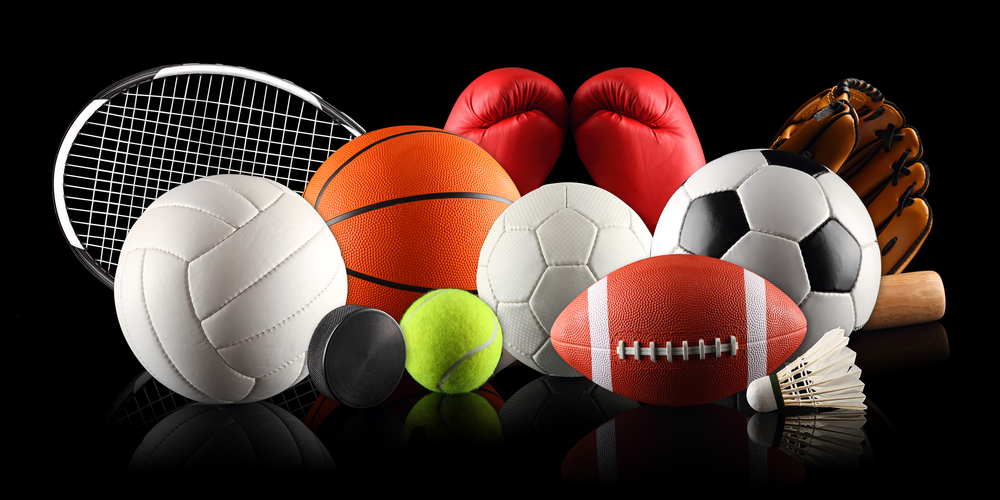
Playing sports is the best medicine on the market for healing, preventing disease, losing weight and gaining muscle.
The first step is to choose the type of activity that is right for you. The most important thing to remember is to choose a sport that you enjoy.
To choose the sport that suits you, you can use the following questionnaire:
-
- Do you prefer spending time indoors or outdoors?
- Alone or rather in a group?
- Why do you want to exercise? What are your goals ?
- What are the most developed and accessible sports near you?
- What personal and financial investments are you willing to make for your sport?
- Do you have friends who could play sports with you?
Take the time to answer these questions before choosing the sport that is right for you.
To help you, you can use the following tips:
-
- Choose an indoor activity if you live in an area with wet or cold weather.
- Choose an activity that you enjoy, not one that others like or is trendy.
- Think about what activities you tried or saw as a child, such as biking or playing basketball, swimming, that made you want to. If so, you know which sport is right for you.
- Don’t forget to calculate your budget. Some physical activities, such as cycling, golf or sailing, can require a large financial investment.
- Be honest with yourself about your current health and fitness. If you are a beginner, start with non-traumatic sports so as not to injure yourself quickly.
2) Which sport is recommended for health?
Any form of physical activity is recommended for your health. Generally, we divide physical activity into 2 categories:
-
- Cardiovascular sports: brisk walking, running, cycling, swimming, football, tennis, rowing, combat sports, rugby…
- Muscular strengthening: bodybuilding, crossfit, weightlifting, indoor gym.
Whatever sport you choose, it is important to respect the following recommendations, for each week:
-
- Minimum 150 minutes of moderate or intense intensity cardiovascular activity.
- 2 muscle strengthening sessions.
- Do not chain intense sessions every day, which must be spaced out by easier sessions.
- Stay active on a daily basis by including walking to limit sitting, 4000 steps per day or more.
It is these recommendations that will allow you to obtain the most benefits for your health and your form.
By following them, you can especially avoid injury or loss of motivation to play sports because of the difficulty.
3) 8 sports in detail to make your choice
1) Brisk walk or hike
Walking is an ideal, low-impact activity for someone who is new to sport, wants to get in shape and has some weight to lose.
It also allows you not to hurt yourself and to play sports when you have pain.
When you hear about the benefits of walking, it’s about brisk walking. For it to be sport, you have to walk fast, between 5 and 7 km/h on the flat.
2) Bike
Cycling is a carried sport, suitable for people with fragile joints or who are overweight. It burns a lot of calories and improves your cardiovascular health.
You can choose between the exercise bike, the road bike or the mountain bike. A good quality bike can be expensive, although you don’t need to spend a lot of money on your first bike if you’re just starting out.
3) Gymnasium
A membership in a gym offers many advantages:
-
- Opening hours allowing you a certain flexibility to train you.
- A wide choice of activities between bodybuilding, cardio, group lessons and equipment available.
- Advice to be guided by a sports educator.
- A user-friendly aspect, which can please or displease depending on everyone’s preferences.
- The possibility of training whatever the weather.
- Follow a balanced and complete program, thanks to the variety of activities offered.
4) Sports at home
It is quite possible to play sports at home, whether to lose weight, for your shape or to gain muscle.
Without equipment, you can do cardio sessions, muscle strengthening sessions and stretching at the same time.
If you choose this option, I advise you to follow a structured program, in particular by using the content available online.
5) Running
It is a very accessible sport that can be done anywhere. However, it is very demanding on your body and conducive to the development of injuries.
However, it is one of the best activities for the cardiovascular system, endurance and for losing weight.
To start running, you have to be very progressive and follow a muscle strengthening program in addition.
6) Combat sports
This category includes very complete sports, whose training combines cardio, muscle strengthening and specific training specific to the discipline.
These are sports that let off steam and help develop undeniable mental qualities. You can practice judo, jiujitsu, boxing, taekwendo, wrestling, karate…
The only constraint is being able to choose a club that is close to your home and that offers training times that are compatible with your schedule.
7) Swimming
Swimming is a complete sport that works your whole body. It is an excellent cardiovascular activity, which in addition is worn, considerably reducing the risk of injury.
The swimming movements train the whole body, mainly the muscles of the back, pectorals, arms and abdominals.
Swimming is an ideal activity for most people, especially those who are frail, elderly or overweight.
However, the schedules and preparation time (changing before and after the session) can make its practice delicate and restrictive.
8) Team sports
Team sports combine both friendship and fun. It’s easier to exercise when you’re having fun.
Most team sports, such as soccer or handball, build cardiovascular health quickly because of the running and acceleration required.
However, the rather intensive nature of the activity can increase the risk of joint or muscle injury.
Finally, team sports tend to be seasonal, so you’ll need to play another sport during the break.
4) Which sport to lose weight?
If you want to exercise to lose weight, you can follow the following tips:
-
- For significant weight loss, it is necessary to practice more than 250 minutes per week of cardio sport at moderate intensity.
- If you want to lose weight by doing less sport, a moderate food restriction will increase weight loss.
- Severe food restriction, with the practice of sport, does not offer additional results on weight loss.
- To maintain your weight loss, it is advisable to maintain a level of physical activity greater than 250 minutes per week.
- Too intense sports sessions close together are not effective for weight loss because they increase the risk of overtraining and injury.
If your goal is mainly to lose fat, it is important to add 2 weekly sessions of muscle building.
This type of training increases fat loss and is associated with reduced health risks. It is therefore an excellent complement for those who wish to refine their silhouette.
Sports and calories burned per hour:
-
- Fast marches (6km/h): 300 calories.
- Bike (20km/h): 500 calories.
- Running (8km/h): 560 calories.
- Running (12km/h): 875 calories.
- Basket-ball, football, handball, tennis : 500 calories.
- Mountain hike: 500 calories.
- Moderate to sustained intensity swimming: 700 calories.
- Bodybuilding: between 200 and 400 calories.
When you engage in moderate-intensity physical activity (you can speak), you burn more fat.
The higher the intensity, the more your body will use your glycogen (glucose) stores, and the less your fat stores.
5) What sport pregnant?
During your pregnancy, it is advisable to practice at least 150 to 180 minutes of moderate-intensity physical activity per week.
The addition of 2 muscle strengthening sessions per week, targeting the work of the abdominal muscles and the pelvic floor, via sheathing in particular, is also recommended. This can reduce the risk of urinary incontinence by 50%.
When you are pregnant, it is advisable to exercise at least 3 days a week.
Exercising during your pregnancy can bring you the following benefits:
-
- Prevention of excessive weight gain and aid in post-natal weight loss.
- Reduce diabetes and gestational hypertension.
- Prevention of pre-eclampsia.
- Reduce the risk of premature delivery.
- Prevent the appearance of varicose veins and deep vein thrombosis.
- Limiter on the back side.
- Reduce urinary incontinence.
- Reduction in the use of caesarean sections.
The most recommended sports during pregnancy are:
-
- Fast walk.
- Stationary bike.
- Swimming.
- Low impact aerobic training.
- Aquagym.
- Yoga or Pilates.
- Running, subject to the opinion of your gynecologist.
Conversely, it is recommended to avoid the following activities:
-
- Risks of falling: mountain biking, downhill skiing, horse riding.
- Contact and combat sports.
- Bodybuilding with heavy weights (weightlifting).
- Scuba diving.
At your first antenatal check-up, ask your obstetrical supervisor if exercise during pregnancy is safe for you.
6) What sport at 60, 70 or 80?
The benefits of sport occur throughout life and are essential for healthy ageing.
People 60 and older can get even more benefits from sports than a middle-aged adult.
To play sports after 60, it is therefore advisable to follow the following recommendations:
-
- From 150 minutes (2 hours and 30 minutes) to 300 minutes (5 hours) per week of moderate intensity, or 75 minutes (1 hour and 15 minutes) to 150 minutes (2 hours and 30 minutes) of high intensity.
- Preferably, do cardio sports spread throughout the week.
- Additional health benefits are obtained by engaging in physical activity beyond 300 minutes (5 hours) of moderate-intensity physical activity per week.
- Add 2 muscle building sessions per week, working all major muscle groups.
- Move more and sit less throughout the day.
The recommended sports are:
-
- Fast or Nordic walking.
- Bike.
- Running.
- Swimming.
- Aquagym.
- Muscle building (bodybuilding).
- Dance.
- Yoga, Tai-Chi or Pilates.
- Tennis or badminton.
It’s never too late to start exercising.
7) What sport when you have back pain?
Many people are resistant to the idea of playing sports when they have back pain.
However, the practice of moderate but regular physical activity helps to improve physical fitness and does not increase the risk of pain in patients with back pain.
As a priority, you must regularly perform specific muscle strengthening exercises against back pain.
Generally, the following sports are the most recommended in case of back pain:
-
- Swimming.
- Fast or Nordic walking.
- Bike.
These cardio sports are aimed at maintaining physical fitness and controlling pain.
When you no longer have back pain, you can completely choose the following sports:
-
- Tennis.
- Martial Arts.
- Gymnastic.
- Running.
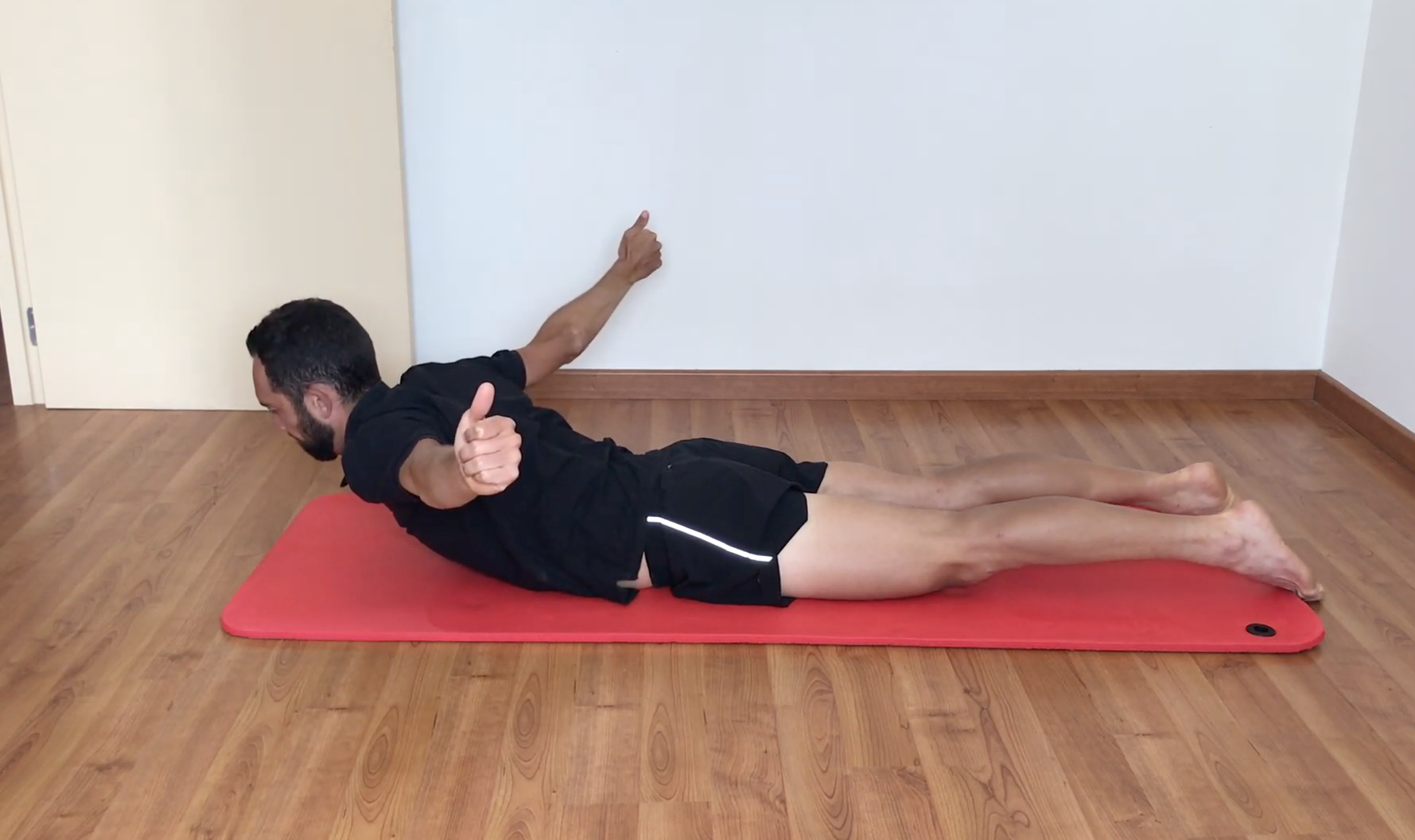
8) When do you exercise?
Sport is one of the best ways to act on the regulation of our internal clock (the circadian rhythm).
Indeed, the functioning of all our organs is regulated by our internal clock. It also acts on the cycle of wakefulness and sleep.
Overall, whatever time of day you exercise, you will have a positive impact on your health.
The only time that can be discouraged regarding the practice of sport is late at night. Indeed, if you train intensively after 7 p.m., you can disturb your sleep and your falling asleep.
So you can exercise all the rest of the day, early morning, late morning, afternoon or evening (but at moderate intensity).
The most important thing for you will be to adapt to your schedule. The priority is to play sports as often as possible.
You can therefore schedule your training session at the most convenient time for you.